How do you know if what you are buying is organic? As organic products gain popularity in Australia, consumers increasingly seek to ensure they are purchasing genuine organic products. Understanding how to identify organic foods and other lifestyle products and their certification process can help consumers make informed choices.
Choosing organic offers benefits that can positively impact both personal health and the environment. Organic foods are often fresher and more flavourful, as they are grown without artificial preservatives and have lower pesticide residues, making them a safer option for families and children, who are more vulnerable to chemicals. Additionally, organic farming practices promote biodiversity, improve soil health, and reduce environmental pollution, contributing to sustainable agricultural methods. By supporting organic products, consumers also help foster local economies and encourage sustainable farming practices that benefit the planet.
What makes it organic?
For a food product to be certified organic in Australia, it must undergo a rigorous certification process that includes several key steps:
Application: Producers seeking organic certification must submit an application to a recognized certifying body, detailing their farming practices, and inputs used, for any product they wish to certify.
Inspection: After the application is received, an accredited inspector will conduct a thorough on-site audit of the operation. This inspection includes reviewing farming practices, input usage, record-keeping, and overall compliance with the Australian Organic Standard.
Documentation: The producer must maintain detailed records of all operations, including planting, pest control, and harvesting, to demonstrate adherence to organic practices. This documentation is crucial for ongoing compliance with organic regulations.
Certification Decision: Based on the inspection results and documentation, the certifying body will determine whether the application meets the organic standards. If approved, the producer receives a certification that allows them to market their products as organic.
Ongoing Compliance: Certified organic producers are subject to regular inspections to ensure they continue to comply with organic standards. This ongoing commitment is essential for maintaining organic status.
So. How do you know?
1. Look Organic Labeling
In Australia, organic food is identified by a certification system regulated by the Australian government. The Australian Certified Organic (ACO) is one of the most recognized certifying bodies and offers a widely accepted organic label, often seen on packaging. When shopping for organic food, look for products that bear an organic certification logo, which indicates that the food has been produced under strict organic standards.
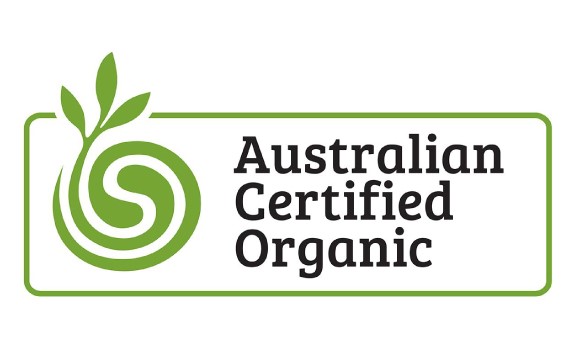
It is important to note that some products labeled as “organic” may not be certified. Consumers should be cautious and seek trusted brands that provide certification. Genuine organic products should have clear labeling, including the certifying body’s logo and the specific organic status (e.g., “100% organic,” “organic,” or “made with organic ingredients”).
2. Look for Organic in the ingredients list
Obviously harder to do if you are buying a non-packaged or bulk product, but for packaged items, read the ingredients lists to detect any unnatural elements. This is also a good way to detect if ‘organic’ products from smaller companies that are not certified are the real deal. You should recognise everything on the list of a certified organic product as being something you can eat and that are grown in nature or on a farm. No artificial ingredients or lists of numbers should be on the list. If there are, it’s not organic.
3. Ensure Organic Certification from an authorised governing body
The primary governing body responsible for the certification of organic food in Australia is the Department of Agriculture, Fisheries, and Forestry (DAFF). DAFF oversees the Australian Organic Standard, which outlines the requirements for producing, processing, and labeling organic products. The standard ensures that organic products are produced without synthetic fertilizers, pesticides, or genetically modified organisms (GMOs).
In addition to government oversight, various private certifying organizations, such as ACO and Australian Organic, conduct independent audits and inspections to ensure compliance with organic standards. These organizations play a crucial role in maintaining the integrity of organic labeling.
4. When in doubt, ask if it’s organic.
With a myriad of products and producers and many marketing labeling tricks, if in doubt, ask your local farmer, stallholder, or retailer about the validity of the produce claim. Unfortunately, some products falsely imitate organic logos and use other tactics to trick customers into buying their products. On the other hand, there are some smaller organic producers who do not have the official certification but who are still organic. They may wish to avoid the associated costs of administration and certification or even be in the process of conversion but not quite formally certified as yet. It pays to check.
By understanding how to identify certified organic food, as well as the governing bodies and certification processes involved, Australian consumers can make choices that align with their values and preferences for organic products.
Additional Resources
For more information on organic certification in Australia, consumers can visit the following official websites:
- Australian Certified Organic: www.aco.net.au
- National Association for Sustainable Agriculture Australia https://nasaaorganic.org.au/
- Australian Organic: www.austorganic.com
- Department of Agriculture, Fisheries and Forestry: www.agriculture.gov.au
References
- Reganold, J. P., & Wachter, J. M. (2016). Organic farming in the twenty-first century. Nature Plants, 2(2), 15221. doi:10.1038/nplants.2015.221
- Smith, L. M., & Brown, H. M. (2021). The benefits of organic agriculture: A review. Agriculture and Human Values, 38(2), 437-452. doi:10.1007/s10460-020-10153-y
- Kuehne, G., & Mazzocco, A. (2020). Consumer perceptions of organic food in Australia: A survey of contemporary attitudes. Journal of Consumer Affairs, 54(1), 116-136. doi:10.1111/joca.12239